
 Whatsapp Us
Description
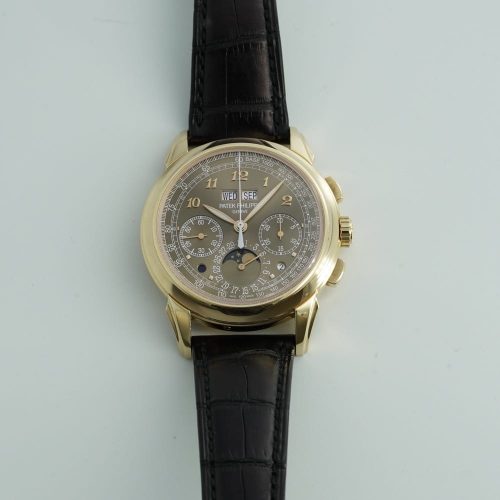
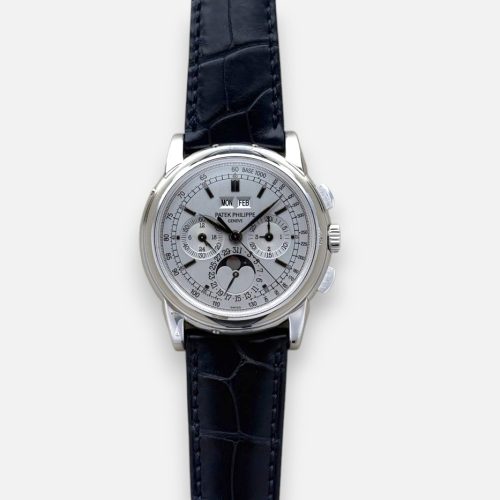
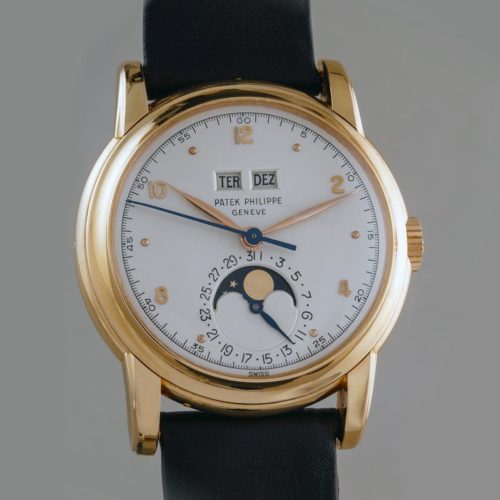
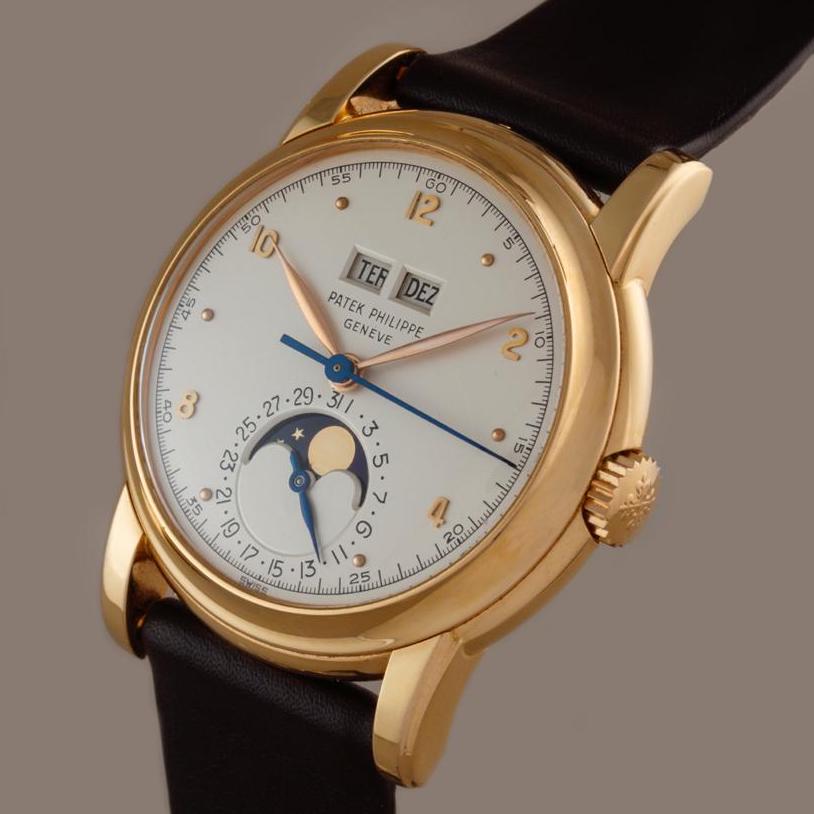
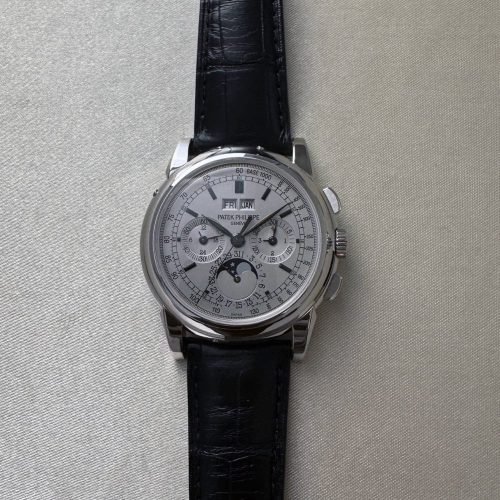
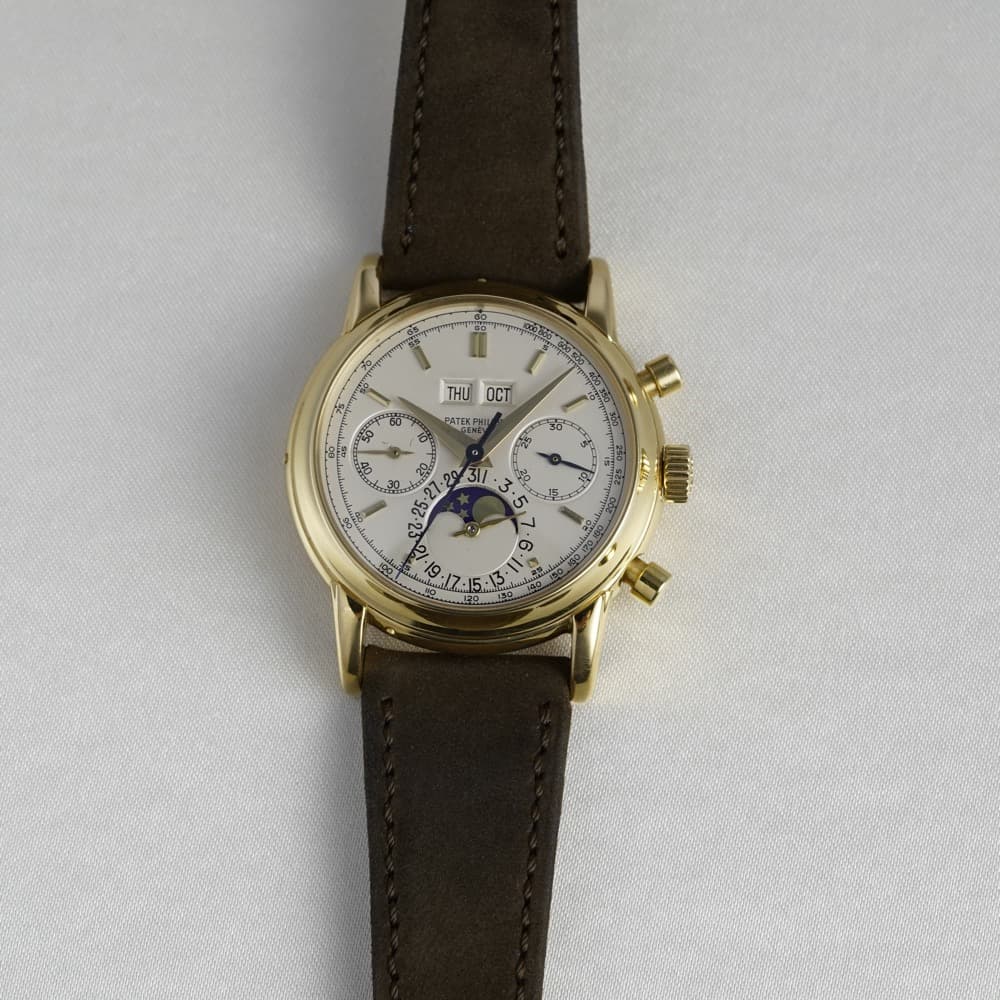
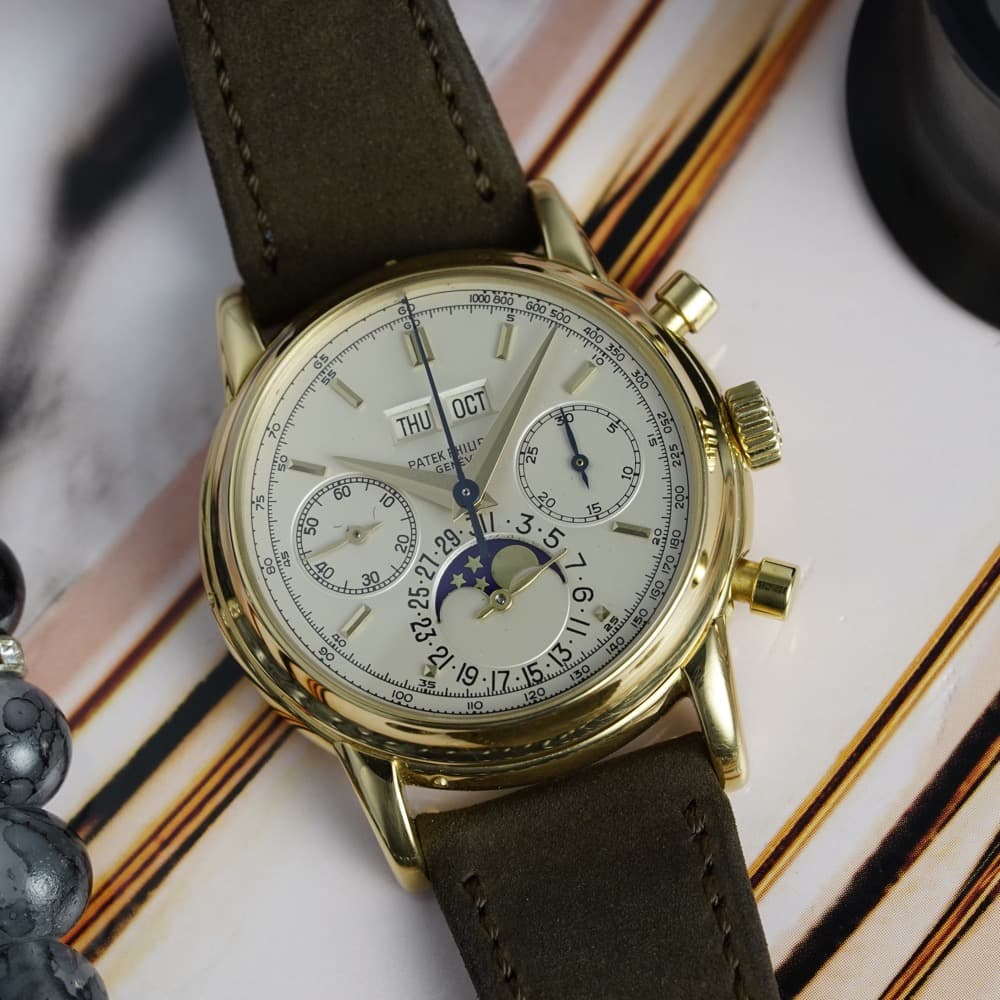
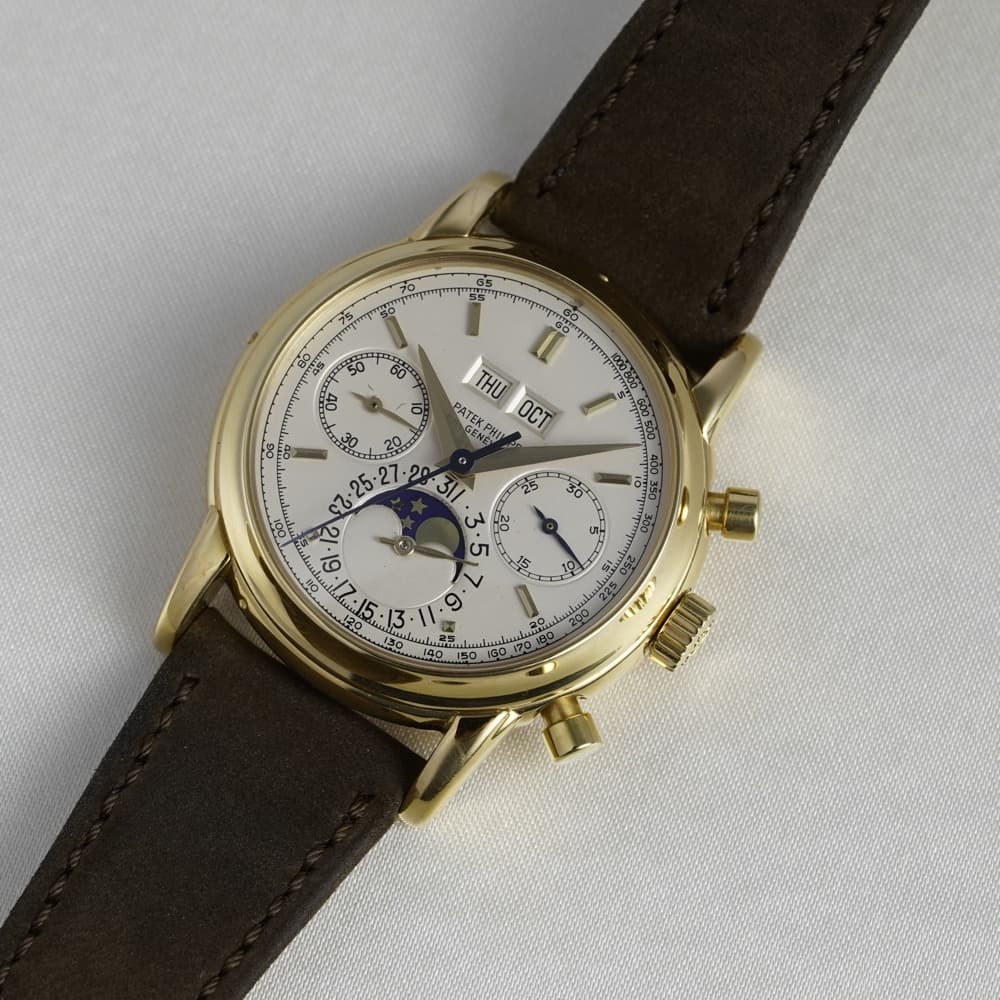
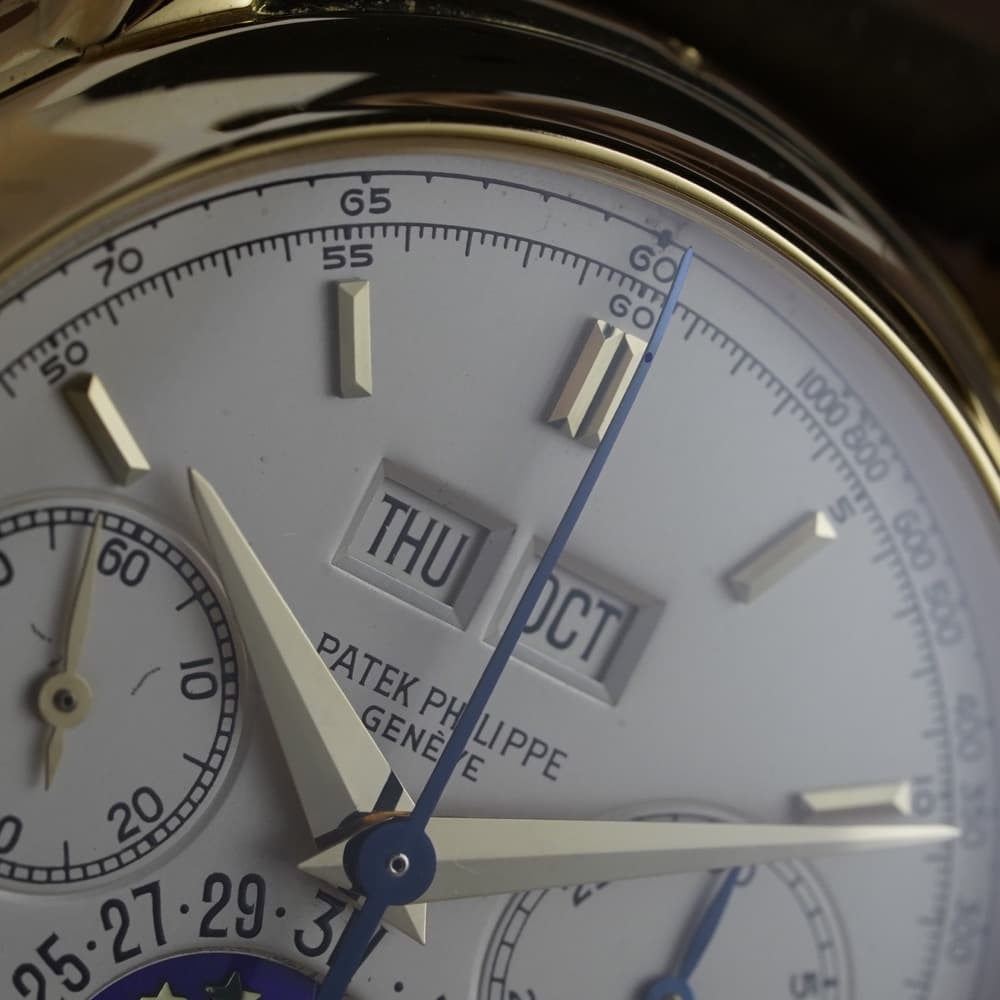
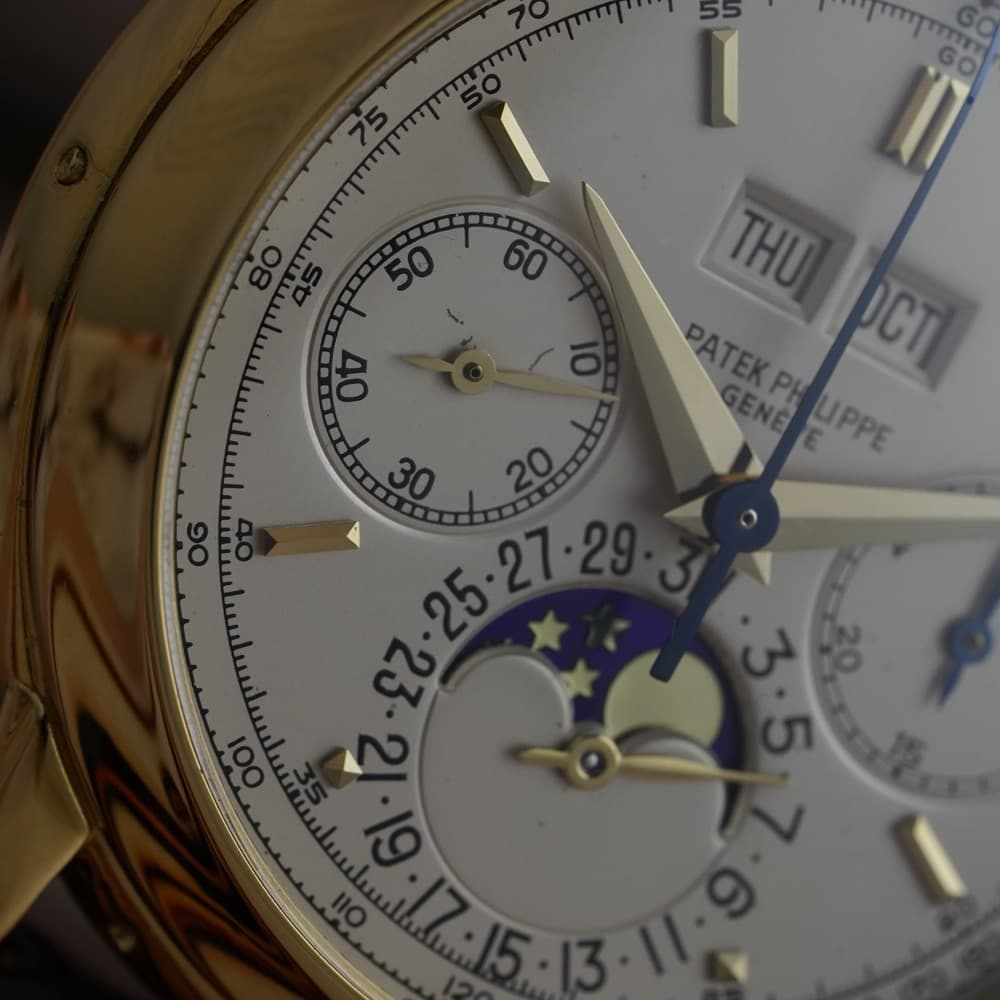
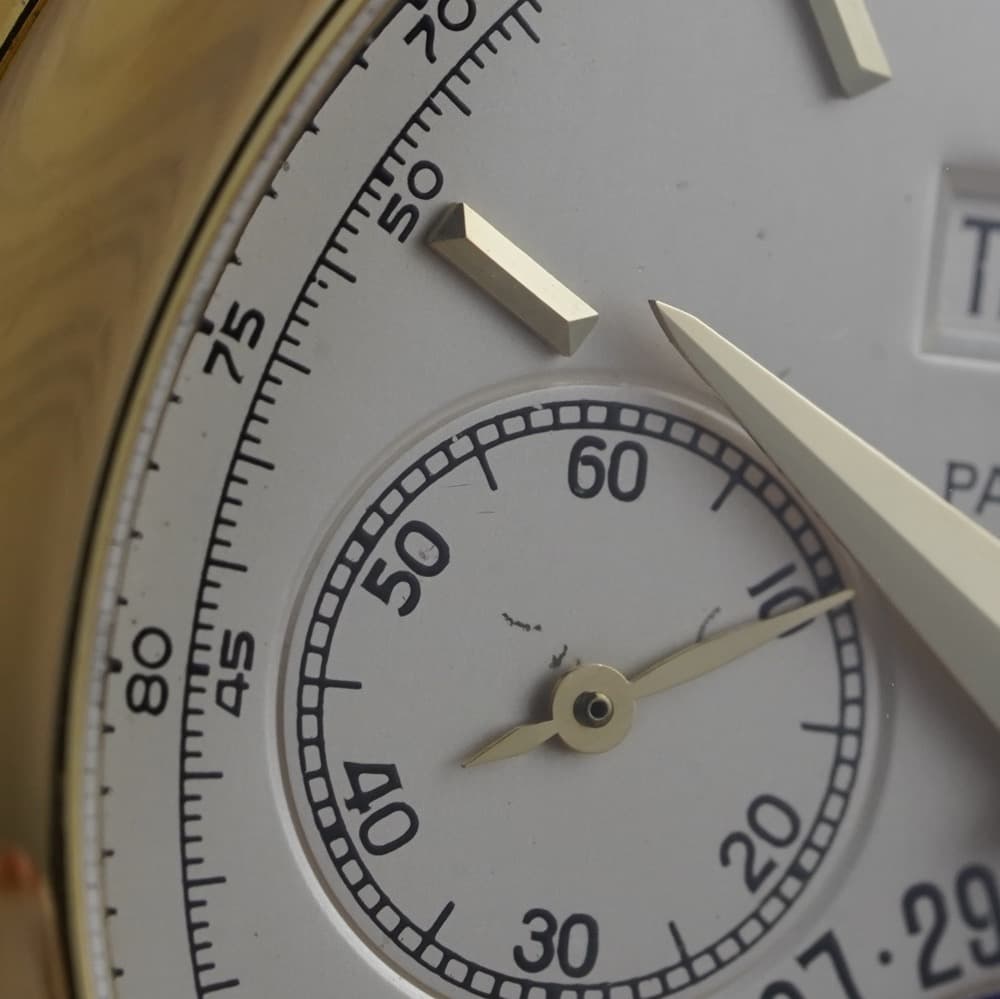
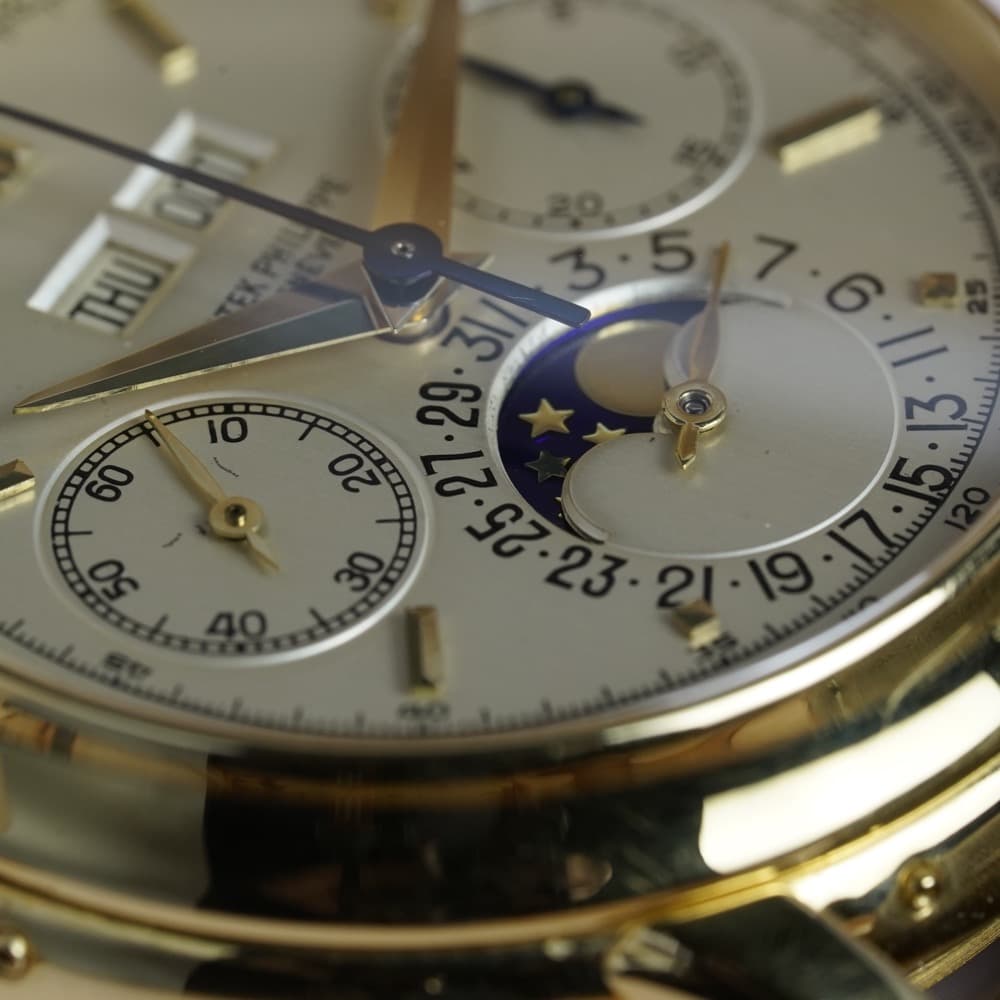
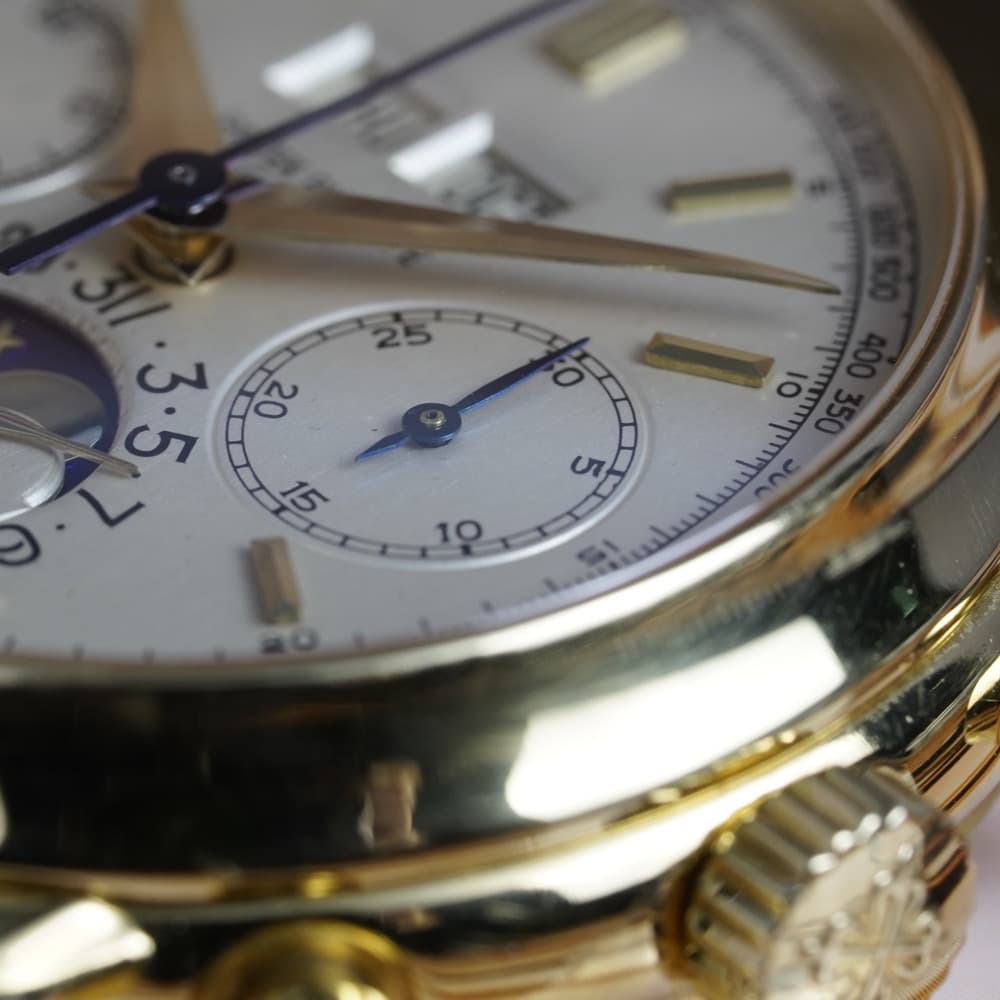
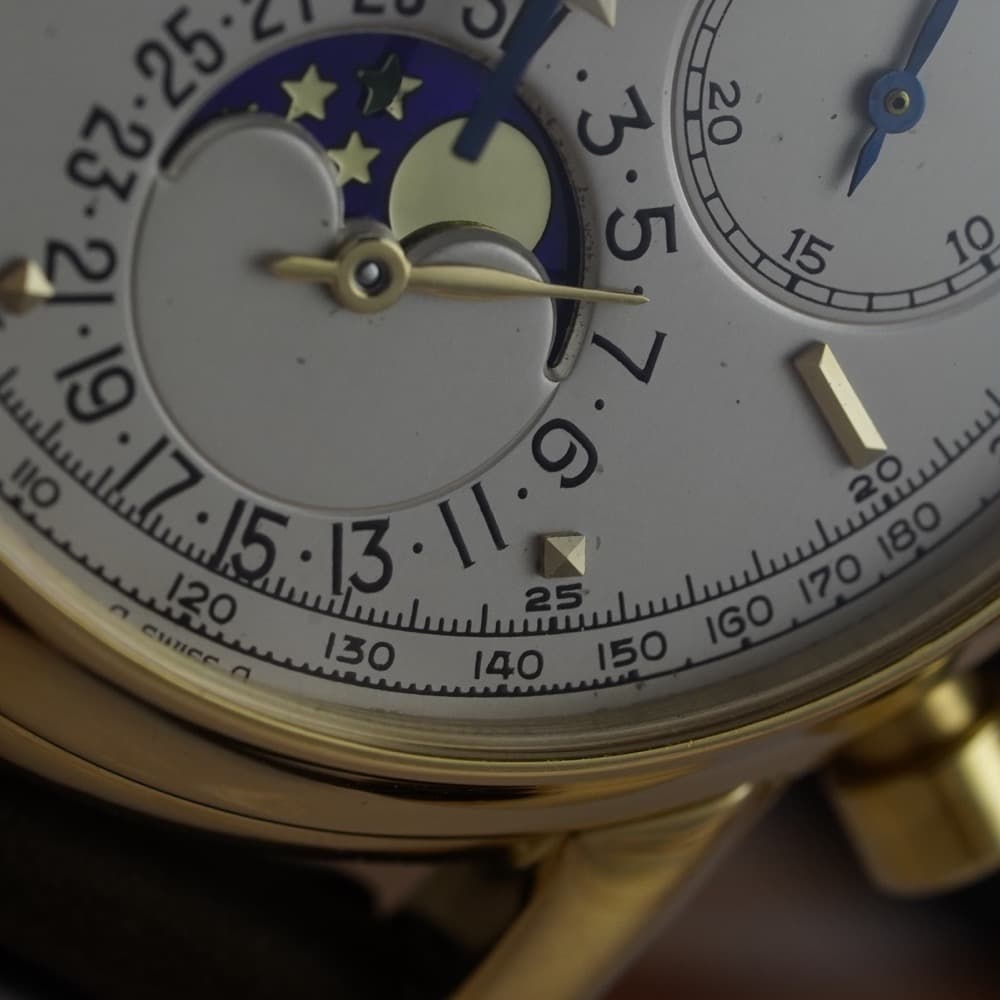
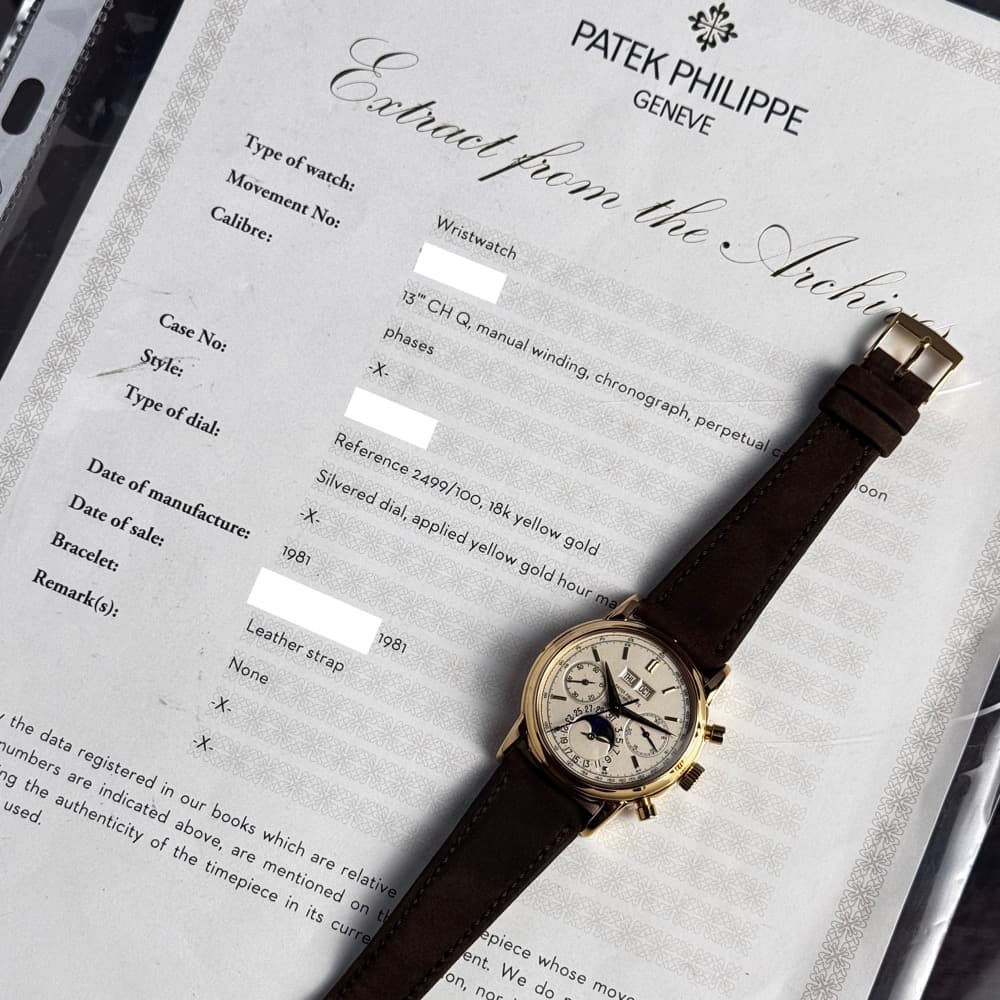
The present watch is an exceptionally rare and historically important example of the Patek Philippe ref. 2499/100J T, a model widely regarded as one of the greatest perpetual calendar chronographs ever made. Representing the final iteration of the celebrated reference 2499, this 4th series example occupies a special place within the lineage due to its outer scale tachymeter, a configuration seen on only a handful of publicly known examples – totaling less than five.
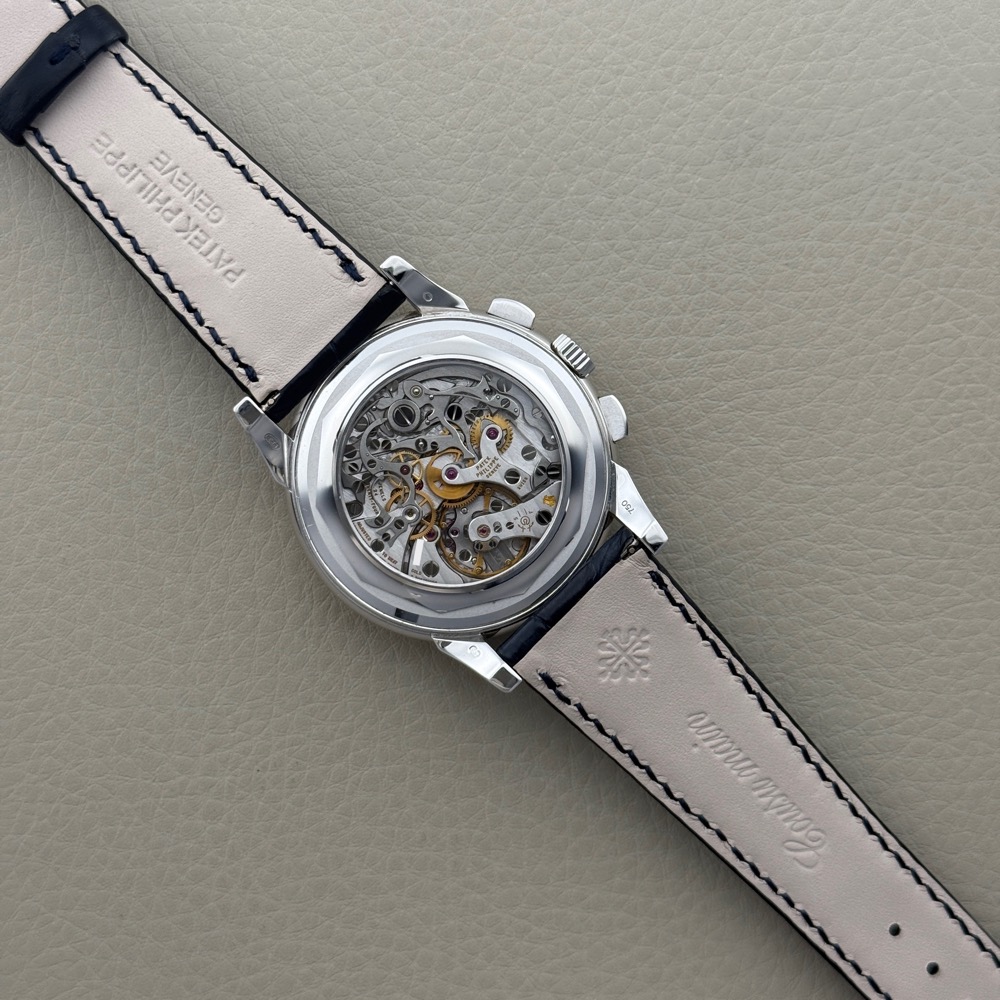
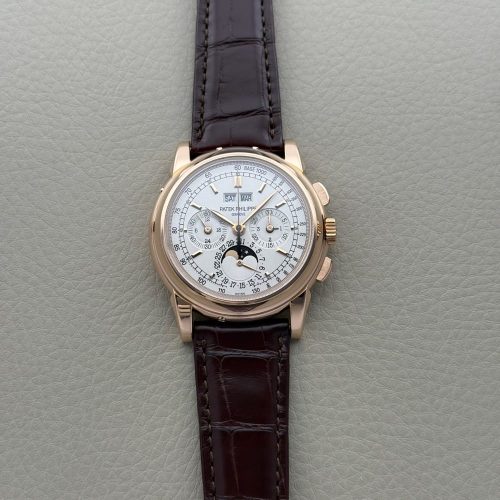
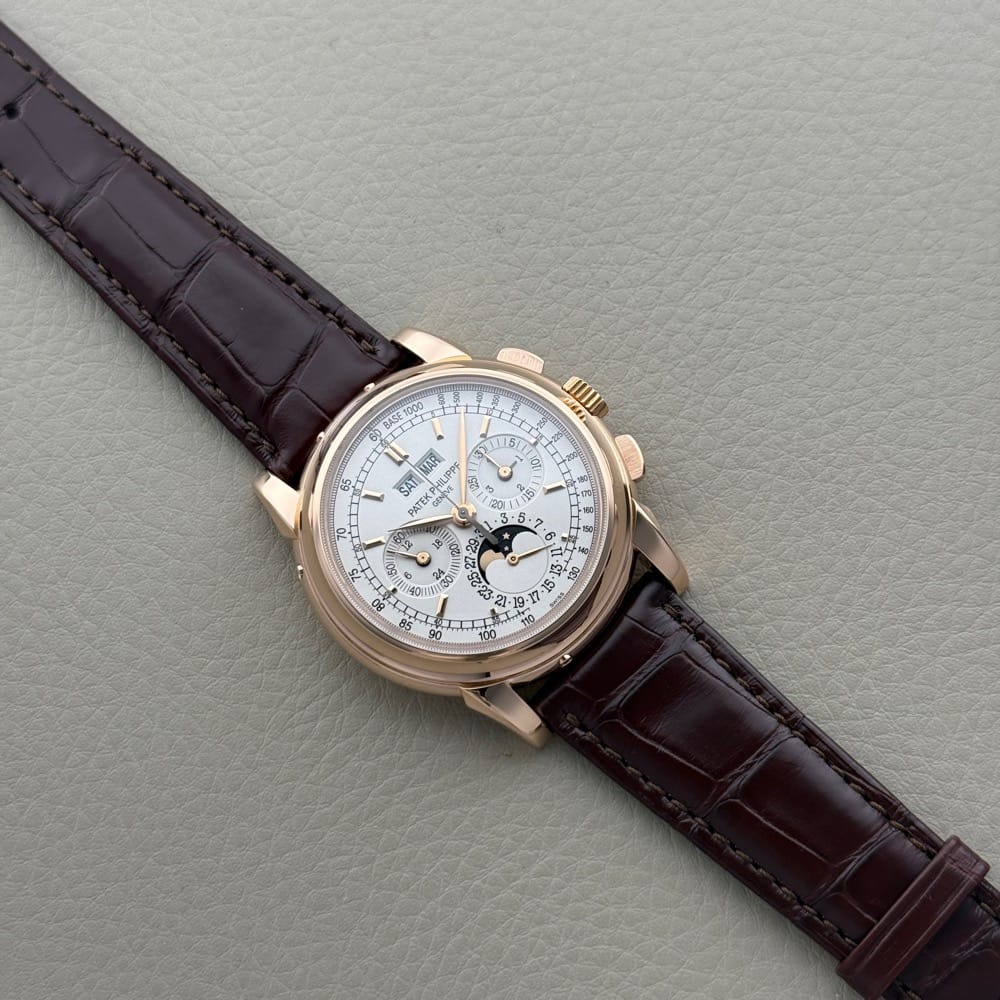
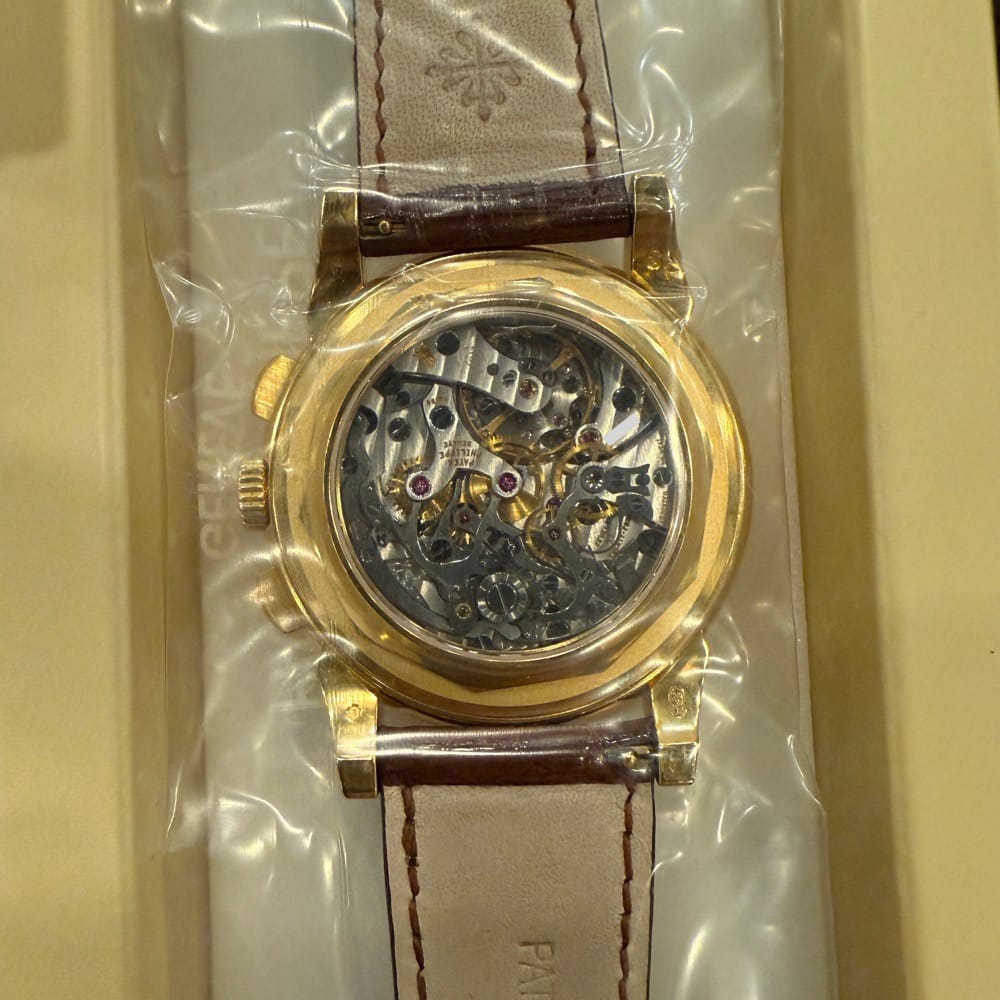
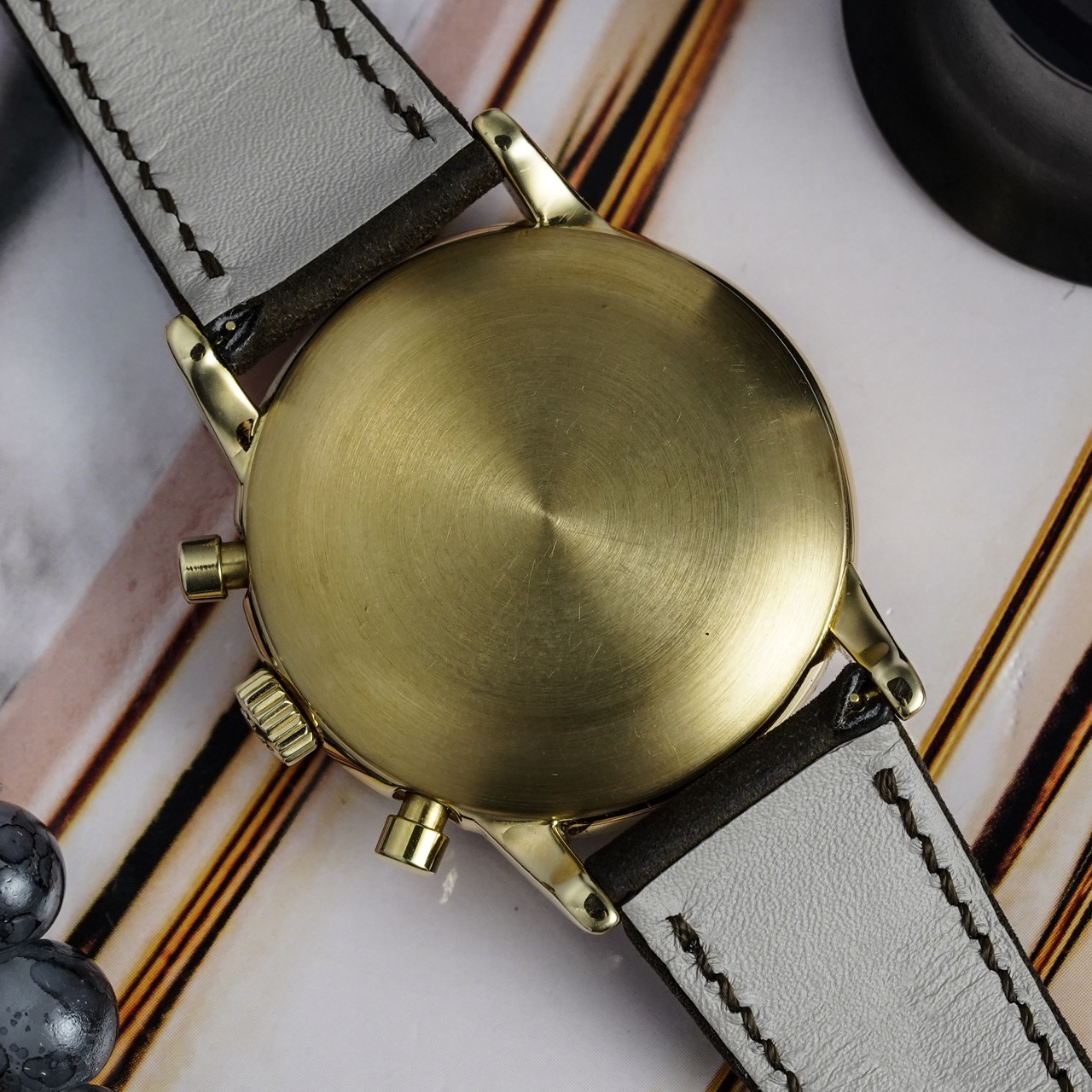
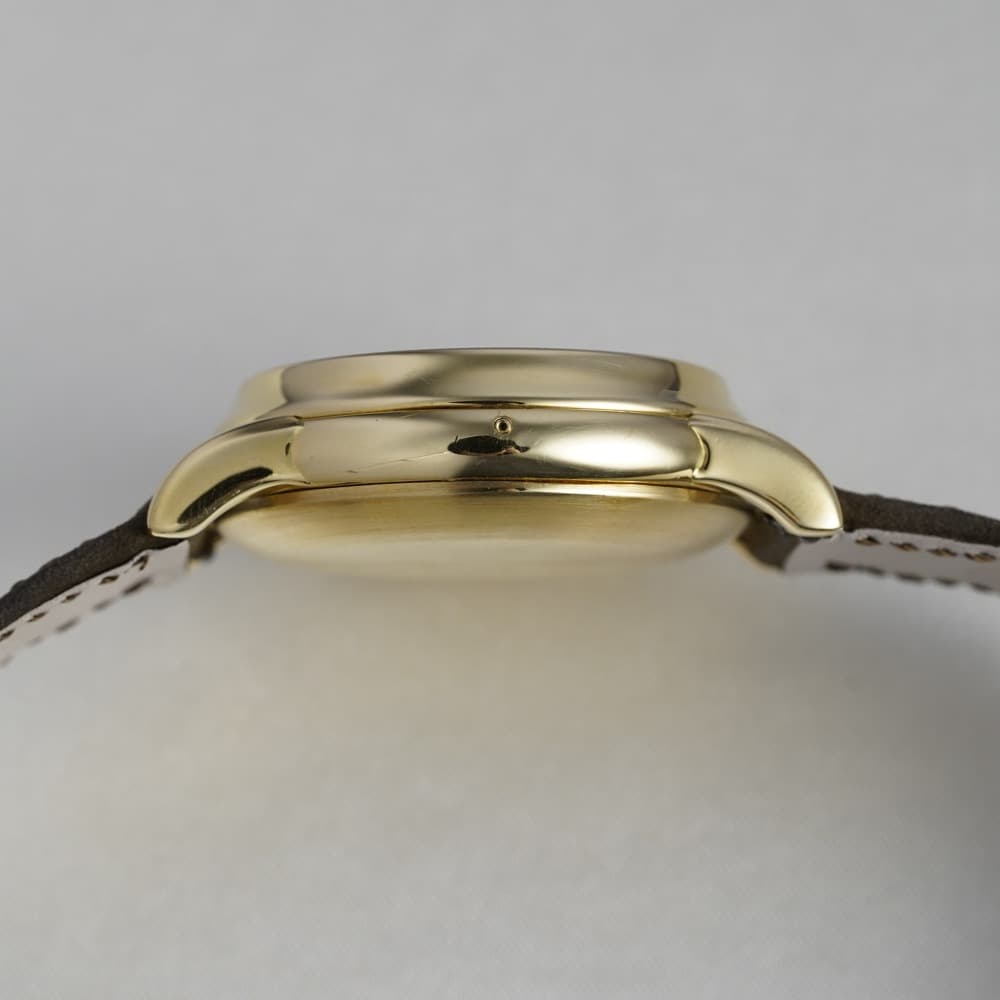
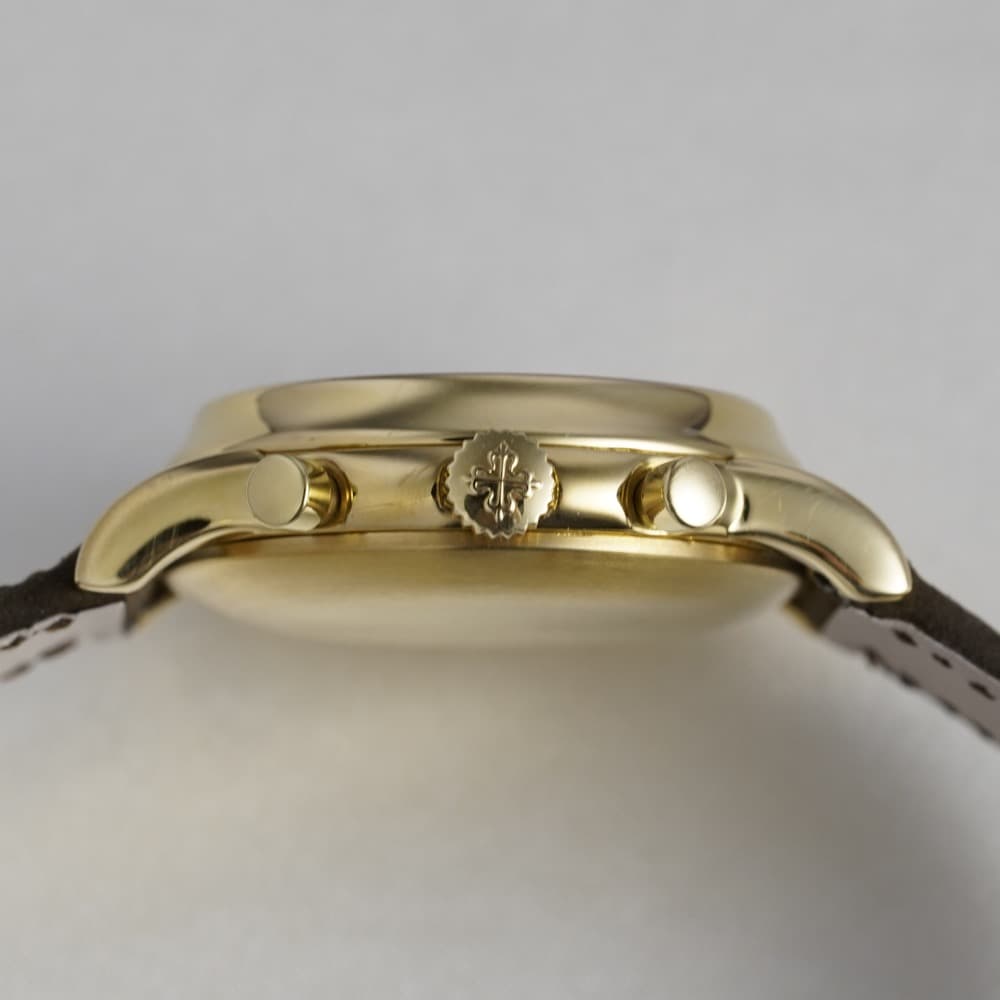
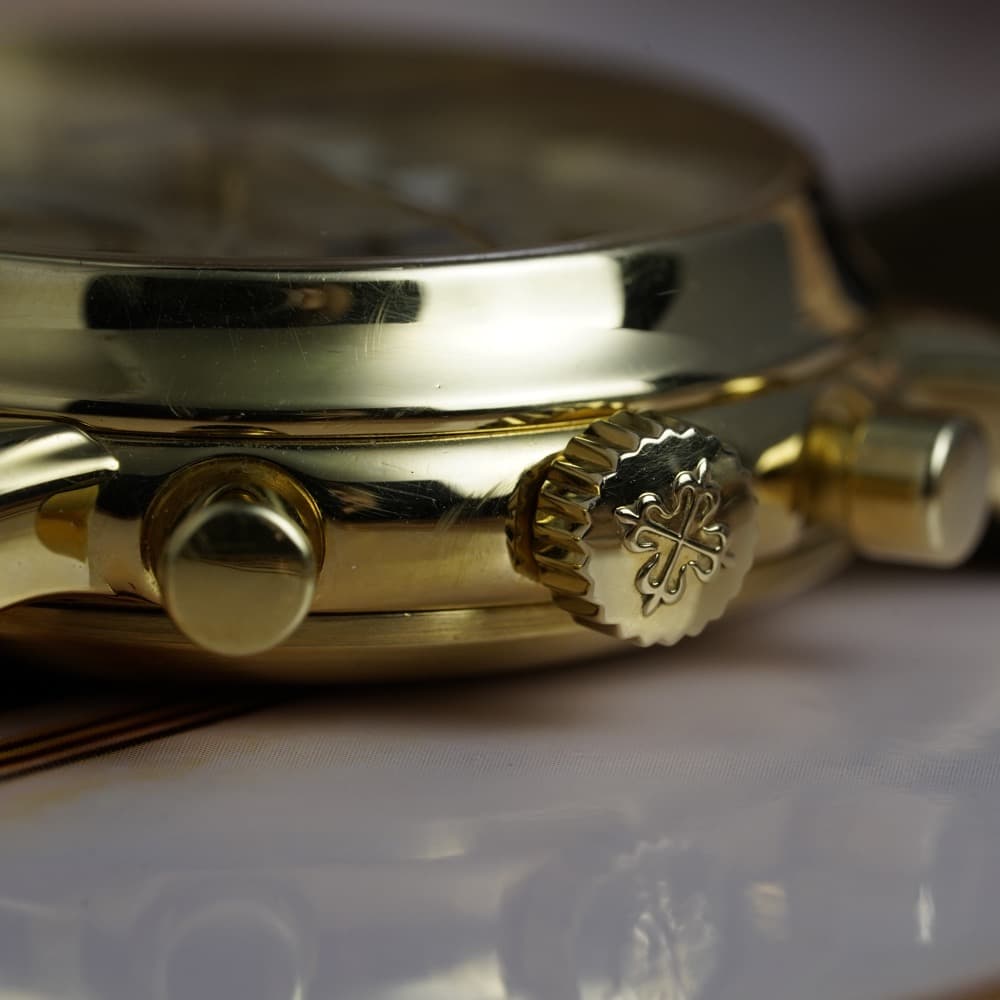
Produced during the final years of the 2499, this watch embodies the maturity of a design that has become an icon of 20th-century watchmaking. The classic 18k yellow gold case shows all the qualities that have made the model so enduringly admired: perfectly balanced proportions, elegantly sculpted lugs, and a timeless presence that exudes vintage charm. The 4th series also happened to introduce a sapphire crystal caseback to the 2499.
With the combination of this case – made by Master casemaker Wenger – and the tachymeter dial, this is one of two watches only, further underlining its importance among 2499s. From a total of 349 pieces, about 119 of them were part of the 4th and final series. It is out of these 119 that only two were identified with both a case by Wenger (also known as 2499/100J Mark 1) and the tachymeter scale. Both of these watches have immediately adjacent serial numbers, confirming their status as sister watches.
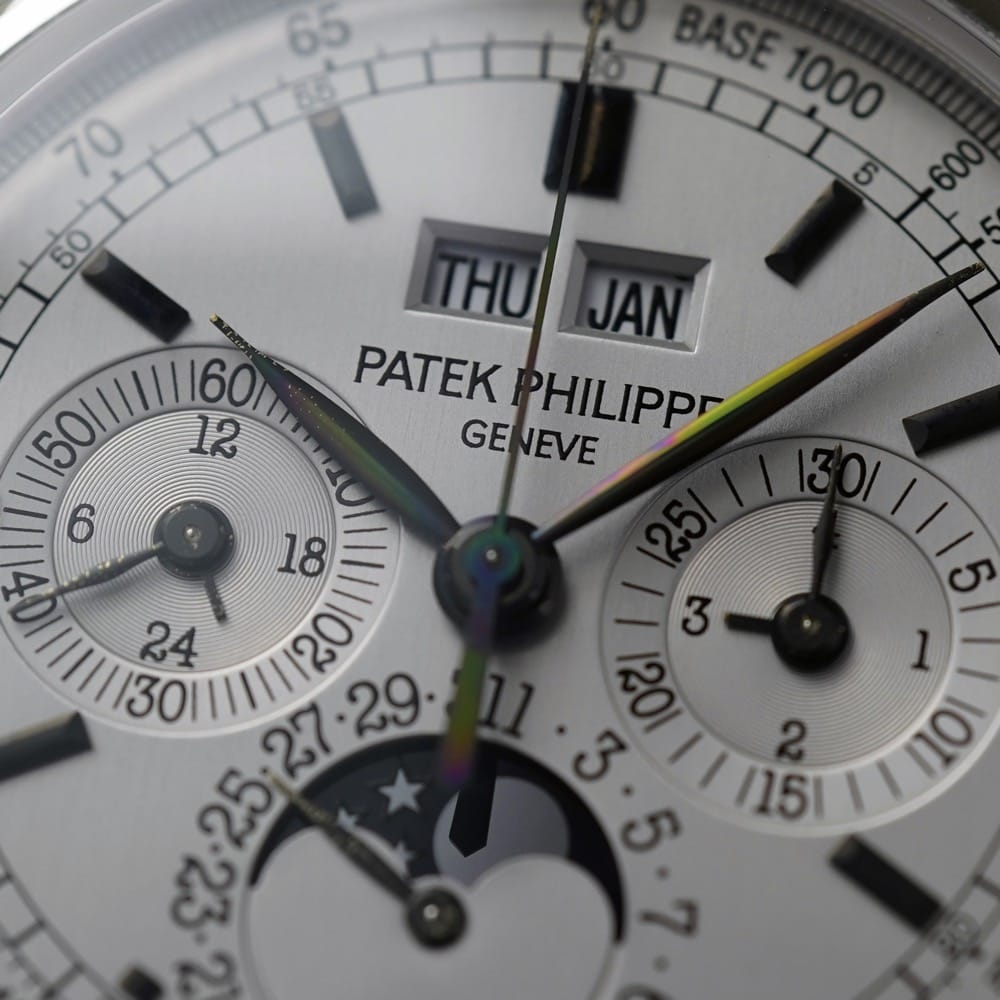
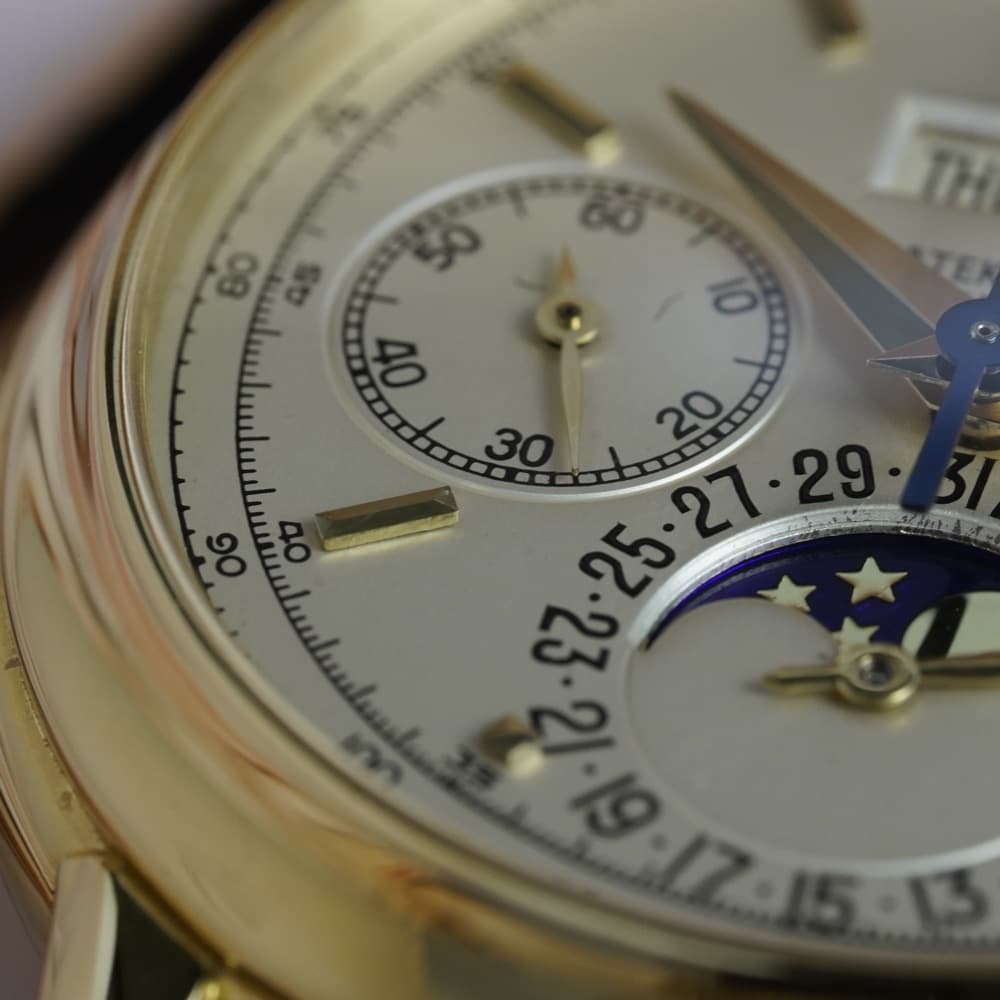
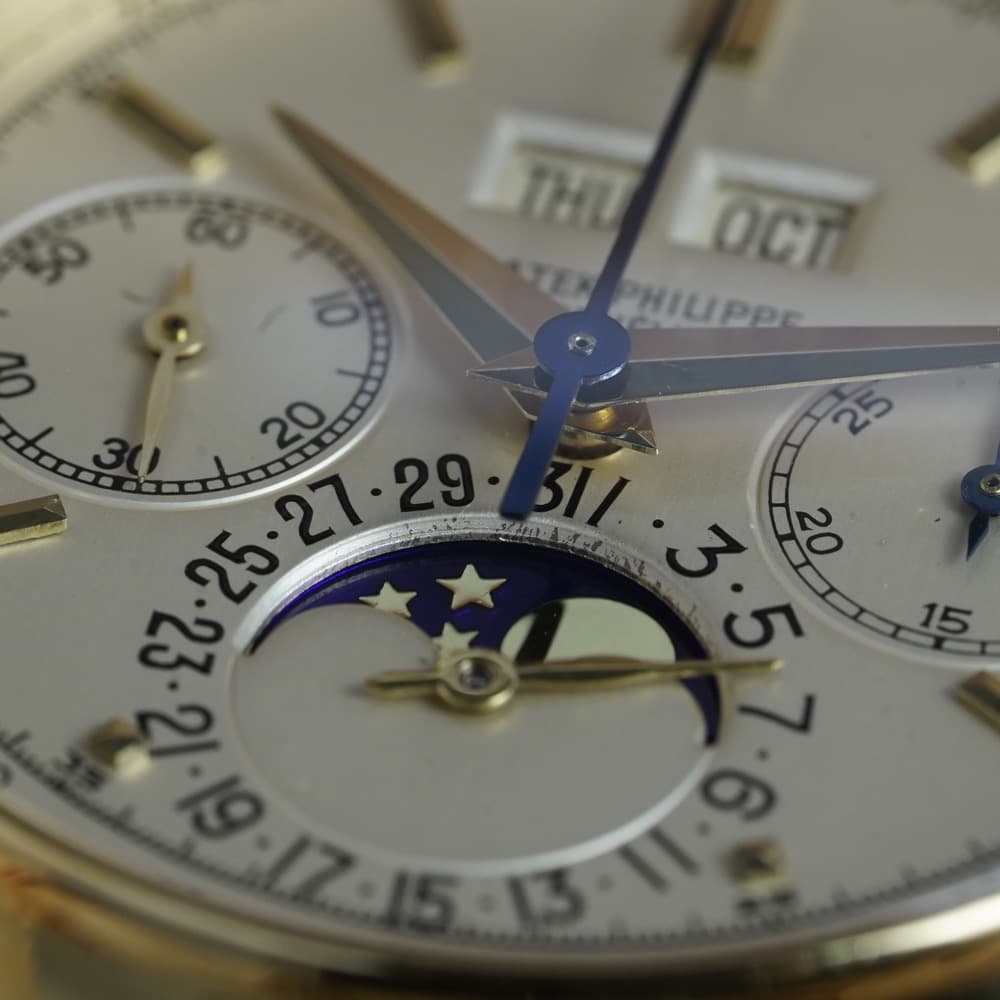
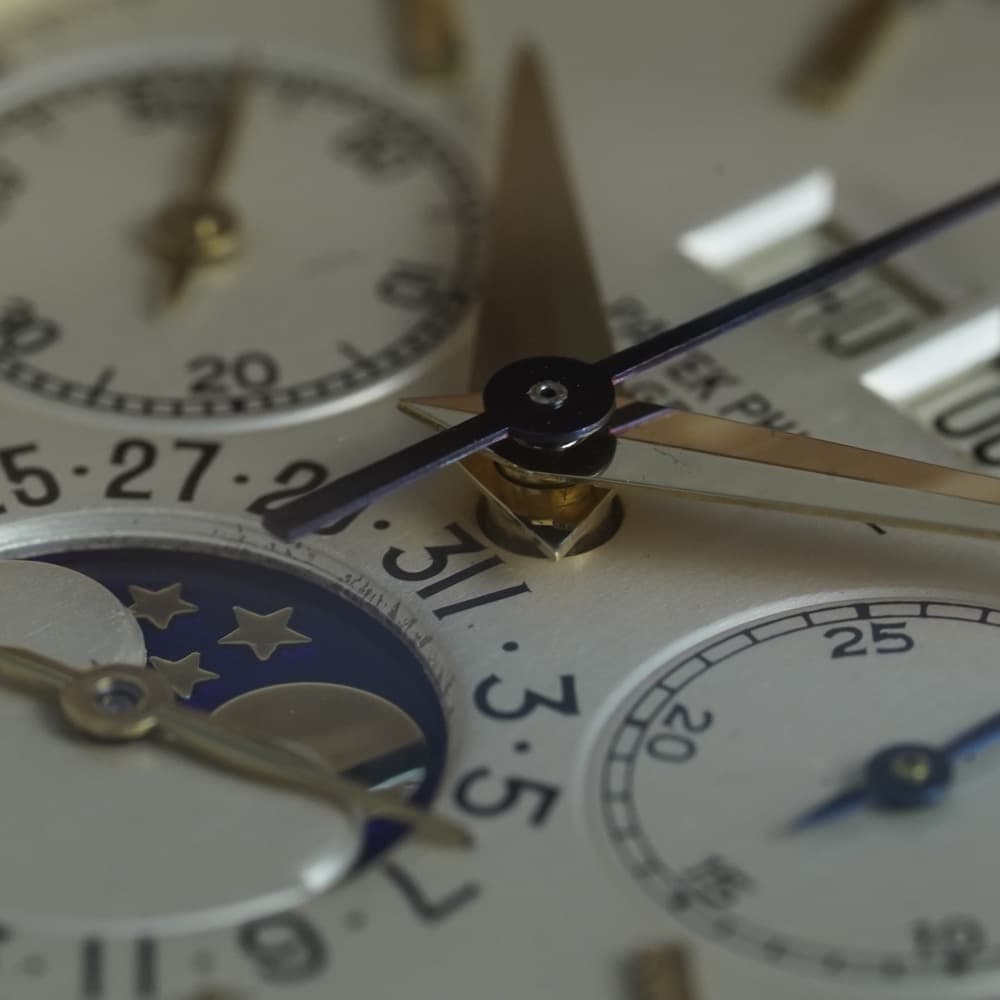
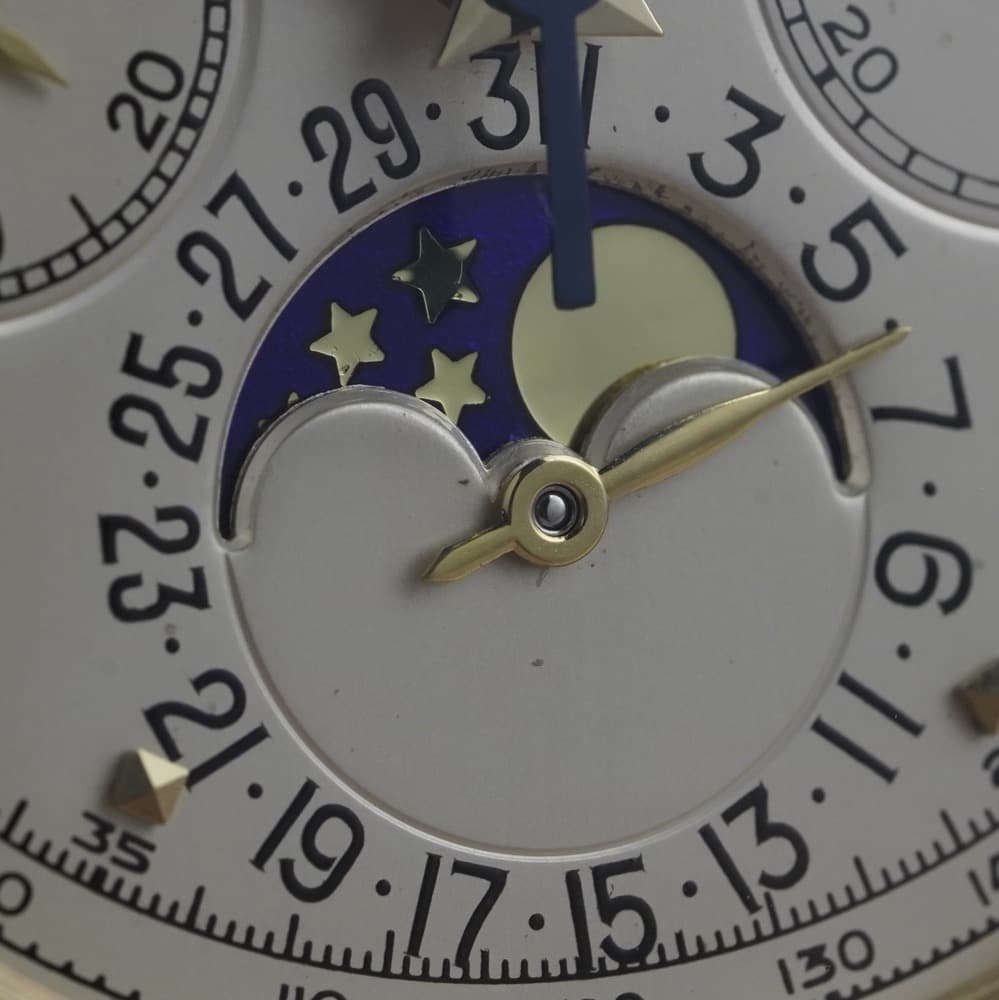
The matte silvered dial with a satin opalin surface finish is a masterpiece of craftsmanship. Manufactured by Stern Frères on a solid gold baseplate, it features applied gold hour markers, contrasting blued steel chronograph hands, and the harmonious arrangement of black transfer-painted inscriptions. The moon-phase display on a gold wheel is champlevé blue enamelled, providing a poetic focal point, while the tachymeter scale lends the dial a more dynamic and sophisticated look.
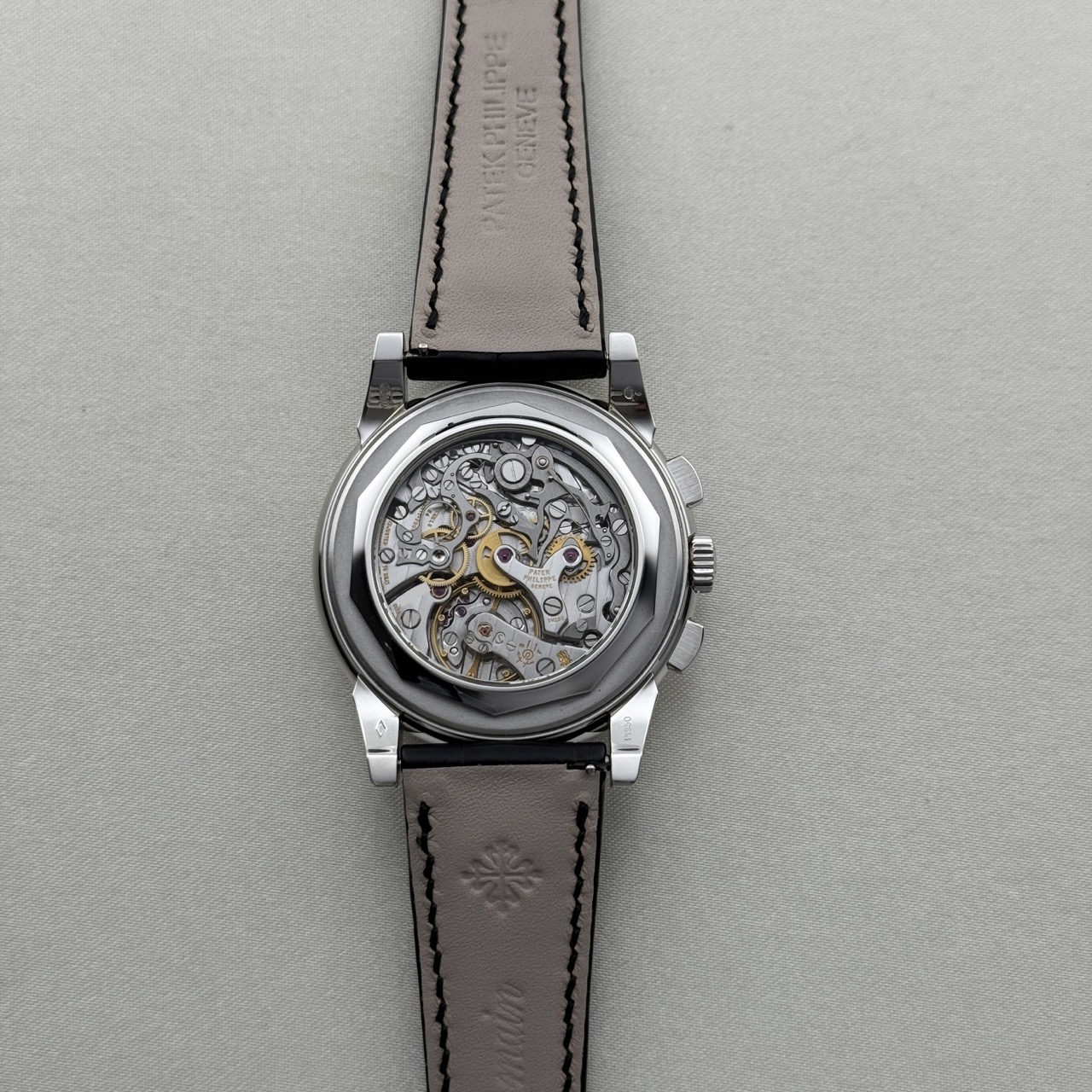
Powering the watch is the manually wound chronograph Calibre 13 130 Q, based on a Valjoux ébauche and extensively finished to Patek Philippe’s standards. The perpetual calendar module ‘Q’ was added by the Geneva workshop Les Fils de Victorin Piguet.
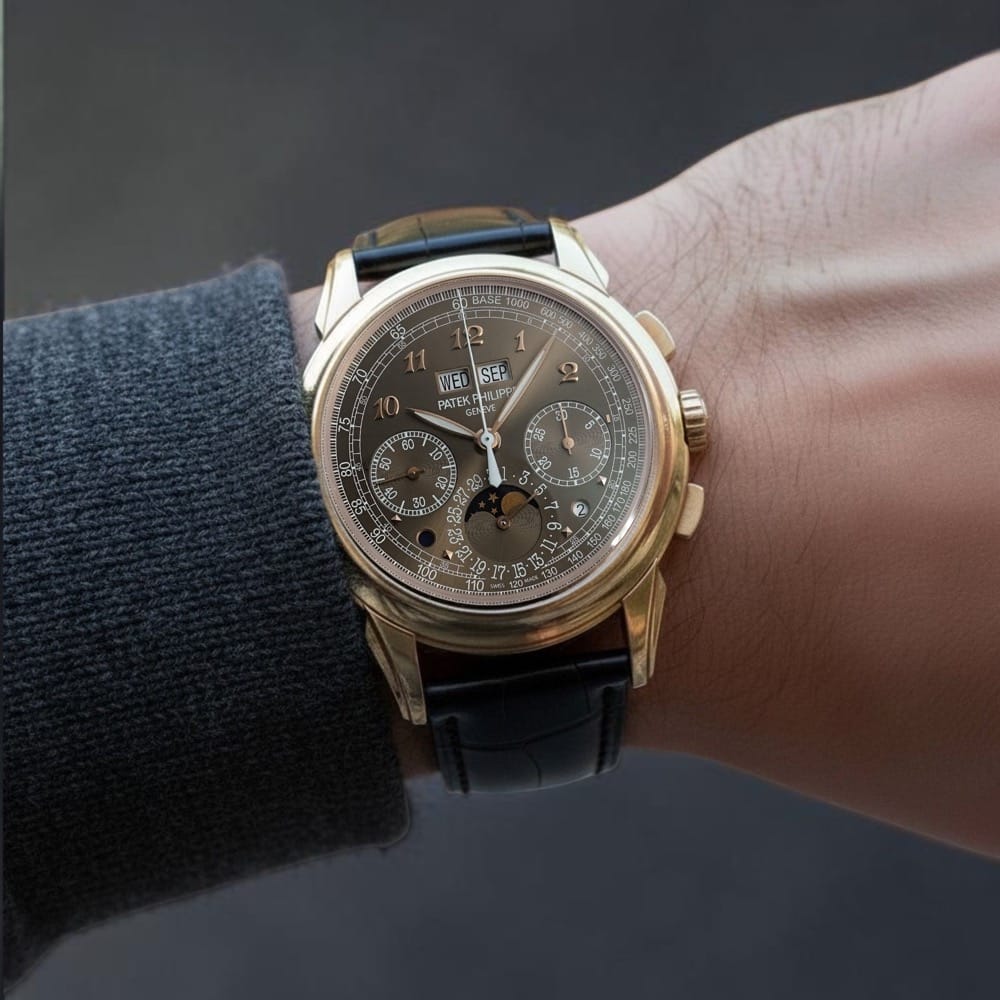
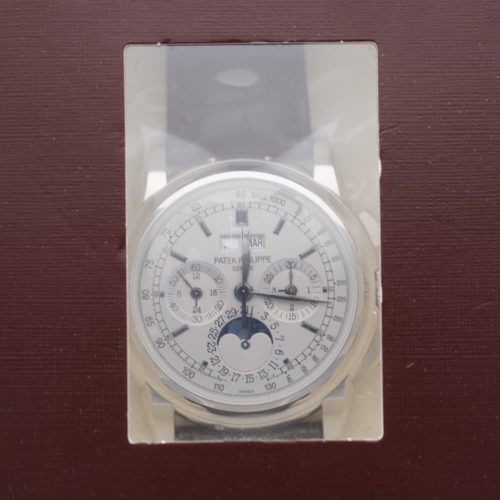
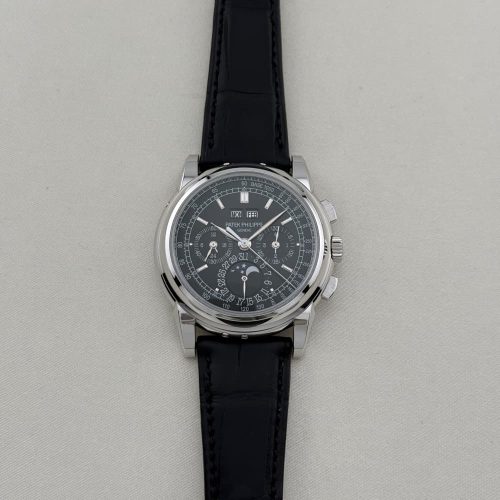
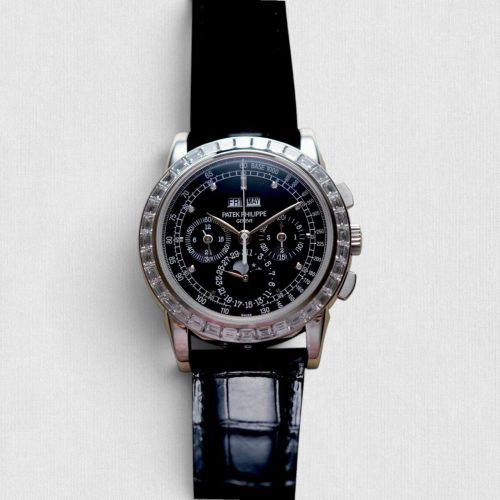
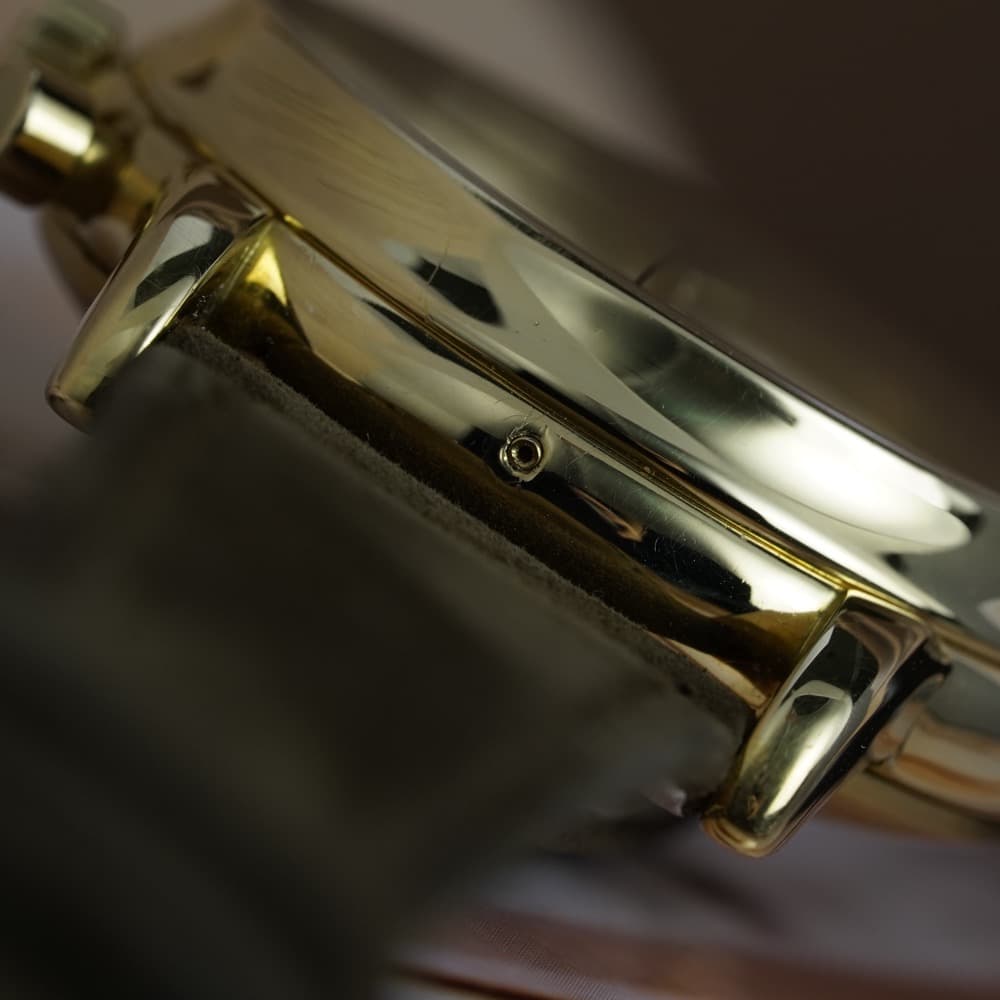
Overall as it can be seen by the pictures, the case is well preserved with good volume.
The lugs have naturally softened over the years through wear and restoration, with the hallmarks no longer visible. The watch was restored by Patek Philippe in the 1980s and 1990s by a certain “JJ” from Stern Frères, who worked on the watch in 1985, 1987, and 1998, as can be seen from the engravings on the dial backside.
Few watches hold the same stature among collectors as the 2499. Produced in very limited numbers and succeeding the legendary 1518, it represents the direct continuation of the perpetual calendar chronograph tradition that has become inseparable from Patek Philippe’s identity. Revered for its beauty, rarity, and historical significance, the 2499 remains one of the ultimate grails in watch collecting. This particular one, distinguished by its uncommon tachymeter dial for a 4th generation 2499, stands in a class of its own.
This iconic model sits on the wrist like a charm with great presence on the wrist, more photos and information available upon request.
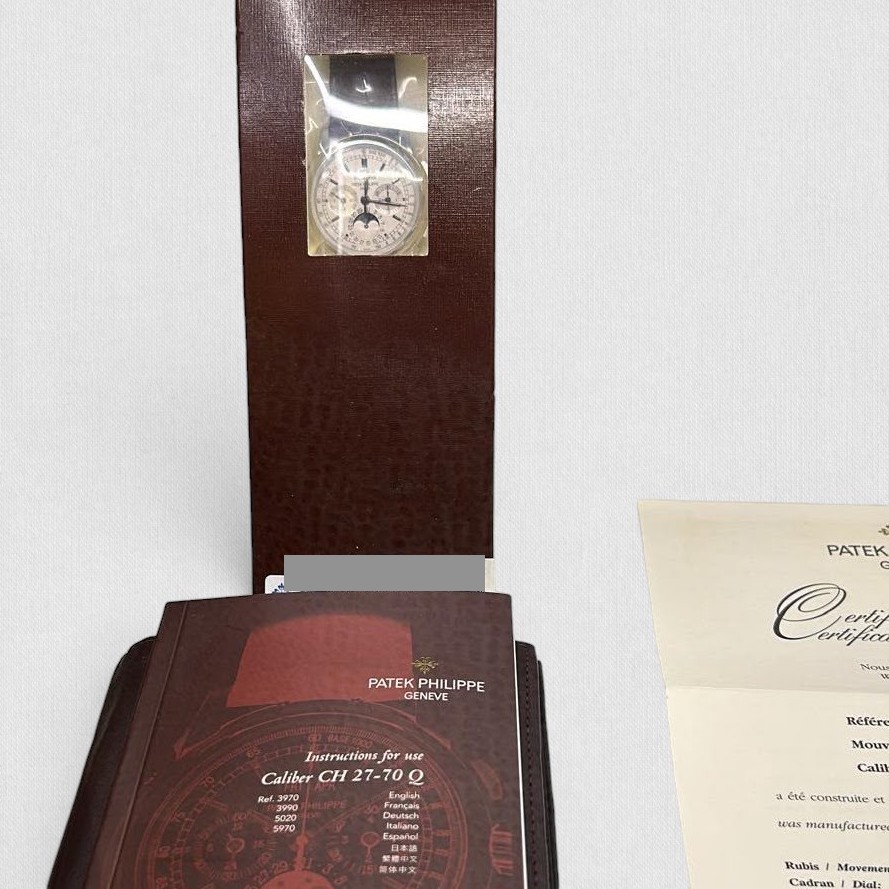
This timepiece comes with its extract from the Patek Philippe archives and a comprehensive study by a renowned scholar, which can be consulted upon request.
Patek Philippe – Bio
Patek Philippe & Co. was founded in 1839, located in Geneva and the Vallée de Joux. It designs and manufactures timepieces and movements, including some of the most complicated mechanical watches. It is considered by many experts and aficionados to be one of the most prestigious watch manufacturers.
In 1868, Patek Philippe made their first wristwatch, which was sold on November 13, 1876 to the Hungarian Countess.
It is the last independent, family-owned Genevan watch manufacture with uninterrupted operating history spanning nearly 180 years.